Buyer’s guide · Turkey
Best turkey calls for beginners: box and pot calls you can actually learn
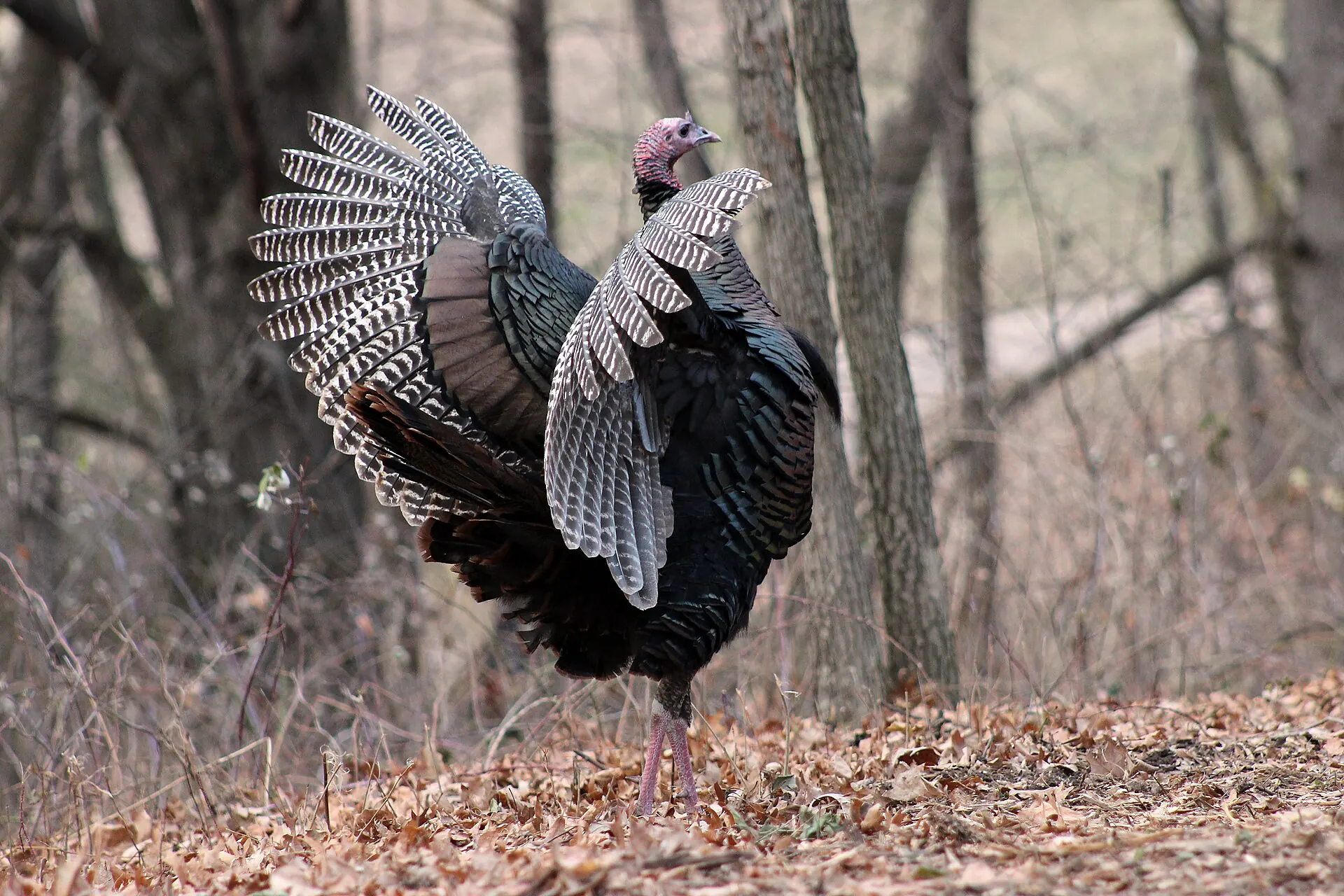
Photo: Courtney Celley / U.S. Fish and Wildlife Service (Public domain).
In this guide
Affiliate disclosure. Some accessory links on this page go to Amazon and may earn a commission at no extra cost to you if you buy something. I am not paid to place any product in these guides. Full disclosure.
A first turkey call should make a sound you can repeat when your hands are cold and a bird is answering. That is a different problem than collecting every mouth call in a vest. Mouth calls, or diaphragms, are compact and leave both hands free, and plenty of good turkey hunters live on them. They are also the slowest thing for most beginners to learn well. I would start with a box call and a pot, or pot-and-striker, call, then add a mouth call after you can make a convincing yelp on something that has a larger margin for error.
This is a research-based buyer’s guide. I have not published a sound test or a kill-count review of these exact current models here. Official descriptions and the prices I could document come from Primos product pages checked on November 24, 2026. Some of those pages listed items as sold out or on pre-order, so a live price is not the same thing as a camera in your vest tomorrow.
Search the Primos Lil’ Heartbreaker on Amazon, search the Rare Breed glass call on Amazon, or compare prices at Sportsman’s Warehouse or Cabela’s.
The three call types, and why beginners should not start with the hardest one
A box call is a wooden box with a lid, or paddle, that you drag to make yelps, clucks, and cuts. Good ones are loud when you need to reach a bird across a field, and they are the easiest type for most new hunters to keep in rhythm. They also take two hands, can be bulky in a vest, and they do not love a downpour unless you keep them dry.
A pot call, sometimes called a slate or glass call even when the surface is not slate, is a round surface you play with a striker. You can work the outer edge for higher yelps, cuts, and clucks, and the middle for lower, deeper tones — that is how Primos describes the Rare Breed. Pot calls take practice, but the motion is easier to see than a diaphragm, and you can change tone by moving the striker instead of learning a new reed.
A mouth call sits on the roof of your mouth. It is the right long-term tool if you hunt with a bow or a shotgun that you want to keep on the bird, and it is the wrong first tool if you cannot yet make a clean yelp after a week of practice. I am not naming a beginner mouth call in this guide because I did not pull a current official product page with a price I can stand behind today. Learn the two-handed calls first.
Whatever you buy, practice at home until the rhythm is automatic, then practice at lower volume. The woods do not need a contest yelp at 20 yards.
At a glance
| Call | Type | Official notes | Official price, Nov 24, 2026 |
|---|---|---|---|
| Primos Lil’ Heartbreaker | One-sided box call | One-piece premium wood box with a laser-engraved purple heart lid; Primos says it produces high-pitched tones and frequencies | $99.99 on Primos’s page; the same page listed it sold out and as a pre-order item |
| Primos Rare Breed, glass | Pot call with glass surface | Rounded cup; one-piece striker and abrasive pads included; Primos says the hard glass surface can reach 15,000 Hz and that the outer edges run higher while the middle runs lower and deeper | $59.99 on Primos’s page; also listed sold out / pre-order that day |
Both prices are official list figures from the manufacturer, not a promise of in-stock availability. Confirm the live listing before you plan a hunt around a call that is on pre-order.
Primos Lil’ Heartbreaker — the documented box call
The official Lil’ Heartbreaker page describes a custom, one-sided box call made from one piece of premium wood, with a laser-engraved lid of purple heart. Primos says it produces great high-pitched tones and frequencies. The official price was $99.99 on November 24, 2026. That is not a budget box call. It is also a simple tool: one lid, one motion, and a high pitch that is useful when you need a hen a bird can hear across a cut cornfield or a creek bottom.
A one-sided box is what I would put in a beginner’s vest if the hunter will actually practice. You can learn a yelp, a cluck, and a cut without managing two paddles or a mouth call at the same time. Keep it dry, chalk or condition it the way the maker directs, and do not beat the lid. A $100 box call that has been left in a wet truck bed is just wet wood.
Because the official page listed the call as sold out and on pre-order, I would also look at current in-stock box calls from Primos or another maker if you need one for this week. I am not going to invent a second official price for a call I did not open a product page on.
Primos Rare Breed glass — the documented pot call
The official Rare Breed page says the call is offered in both slate and glass surfaces. I am documenting the glass version because that is the page I opened. Official price was $59.99. The call uses a comfortable rounded cup, includes a solid one-piece striker and abrasive pads, and Primos says the outer edges produce higher yelps, cuts, and clucks while lower, deeper tones come from the middle. The company says the glass surface is “super hard” and can quickly reach pitches of 15,000 Hz, and it tells you to sand the glass in one direction or in a circular motion with the coarse pad, then finish with the finer grit.
That last point is the one beginners skip. A glass or slate call that has not been conditioned will sound like a smeared plate, and then people blame the call. Follow the official prep, keep the surface clean and dry, and practice short clucks before you try long strings of yelps.
A pot call is the second call I would put in a vest, not a replacement for the box. When a bird is close, a pot is easier to play softly. When you need to be loud and simple, the box is still the easier tool for most new hunters. If you hunt from a ground blind, either call is easier to run than it is against a tree with a shotgun in your shoulder. If you hunt from a saddle or hang-on, think ahead about where the call will sit so you are not fishing in a pack at the wrong moment.
How to practice without teaching the neighbors your whole season
Sit at a table and make one clean yelp, then a series of three to five, then a cluck. Record yourself on your phone and compare the rhythm to official call demonstrations from the manufacturer or to hens you have actually heard. Do not practice only at full volume. The useful skill in the spring woods, including here in western Wisconsin, is often a few soft clucks and a purr, not a long-distance cutting sequence you cannot stop.
Keep the call in a vest pocket where it will stay dry and will not rattle. A box call in a loose pack pocket will announce you before you see the bird. See the day-pack guide if you are still choosing a bag with real organization.
I would rather a beginner own two calls they can run than a vest full of custom mouth calls they cannot. Once the box and the pot are automatic, add a diaphragm and keep the others as backup. Turkey hunting is timing, setup, and patience as much as it is tone.
How I’d choose
- I want the simplest official call to learn, and I can wait or find one in stock: Lil’ Heartbreaker, at the live price, knowing $99.99 is official list and not a clearance figure.
- I want a mid-priced pot I can document today: Rare Breed glass at $59.99 official, plus time spent conditioning the surface.
- I need a call this weekend and both official pages are still on pre-order: shop a current in-stock box or pot from a maker’s live page, and do not guess at a price I have not checked.
Regulations and season dates belong on the wildlife agency’s page for the state you hunt. In Wisconsin, start with the DNR turkey regulations, not a gear article, before you set up in the spring woods.
Sources
- Primos Lil’ Heartbreaker turkey box call: https://www.primos.com/products/lil-heartbreaker-turkey-box-call
- Primos Rare Breed glass turkey call: https://www.primos.com/products/rare-breed-glass-turkey-call
- Wisconsin DNR hunting regulations: https://dnr.wisconsin.gov/topic/Hunt/regulations/OnlineHuntingRegulations